
5-Axis CNC Machining
5-Axis CNC Machining
for Complex Parts
5-axis machining support for complex geometries, multi-side features and precision components, with machining strategy, drawing review and dimensional inspection considered as part of the project.
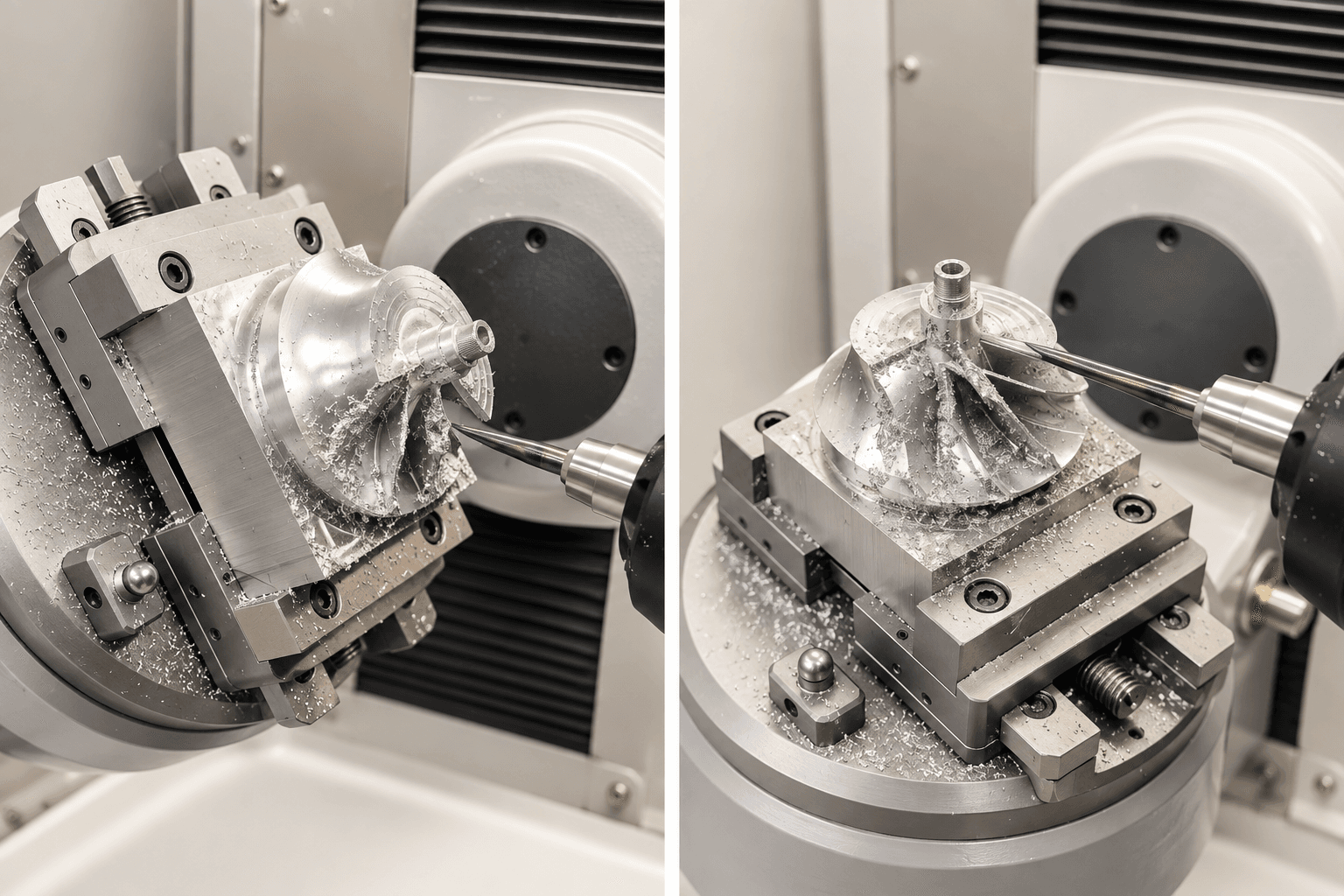
Complex part machining
Machining Access for Complex Geometry
Complex parts often require access to multiple faces, angled features or difficult-to-reach surfaces. A suitable machining strategy can reduce unnecessary repositioning and help maintain relationships between critical features.
- 01
Multi-Side Features
Features distributed across several faces can be considered within a coordinated machining plan.
- 02
Angled Features
Machining access can be planned for holes, faces and features that are not aligned to the primary part axes.
- 03
Complex Surfaces
Suitable tool orientation can support parts with contoured or freeform geometry.
- 04
Setup Reduction
Where part geometry allows, reducing repeated repositioning can simplify the machining sequence and support feature relationships.
Engineering review
Built Around the Geometry of Your Part
5-axis machining is not selected simply because a part looks complex. The manufacturing approach should be reviewed against the drawing, feature access, datum structure, tolerance relationships, material and production quantity.
- 01Feature accessibility
- 02Datum relationships
- 03Deep pockets and cavities
- 04Angled holes and faces
- 05Tool reach and clearance
- 06Inspection requirements
Material review
Materials for Complex CNC Parts
Material selection is reviewed together with geometry, dimensional requirements, surface finish and production quantity.
Aluminum Alloys
Stainless Steels
Carbon & Alloy Steels
Titanium Alloys
Engineering Plastics
High-Performance Alloys
Machining strategy
Setup Strategy Matters for Complex Parts
For complex components, machining quality depends on more than the number of machine axes. Workholding, datum selection, tool accessibility, machining sequence and inspection planning should be considered together before production.
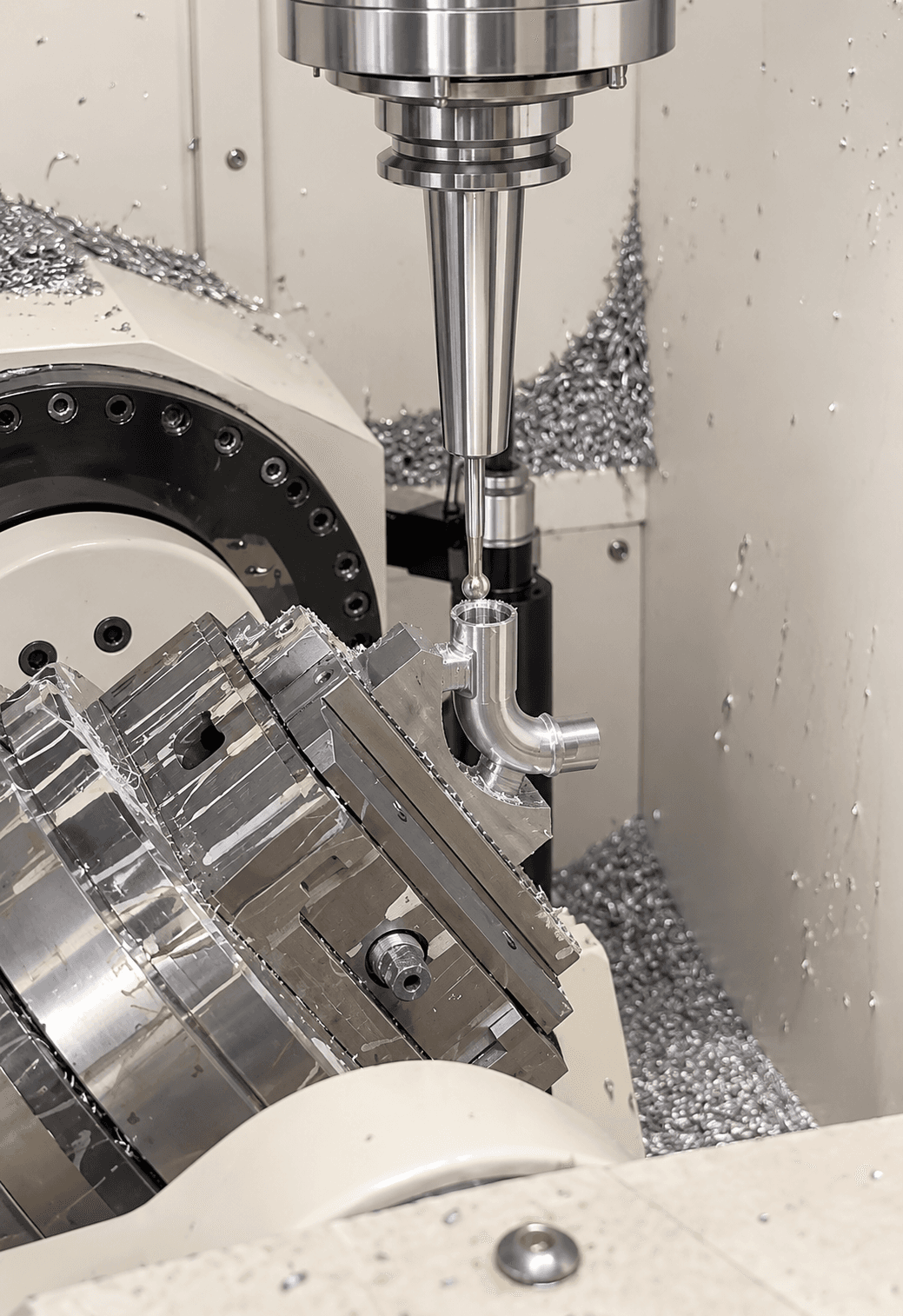
Multi-Side Machining
Angled access and workholding strategy are reviewed according to the geometry and drawing requirements of the part.
- 01Workholding strategy
- 02Datum planning
- 03Tool accessibility
- 04Machining sequence
- 05Inspection planning
Quality control
Inspection Planned Around Critical Features
Complex machining often creates relationships between features on different faces or orientations. Inspection requirements should therefore be reviewed together with the drawing and machining plan.
- 01Drawing-based inspection
- 02Datum and feature relationship review
- 03CMM measurement when appropriate
- 04Critical dimension verification
- 05Dimensional reports when required
- 06Material documentation when required
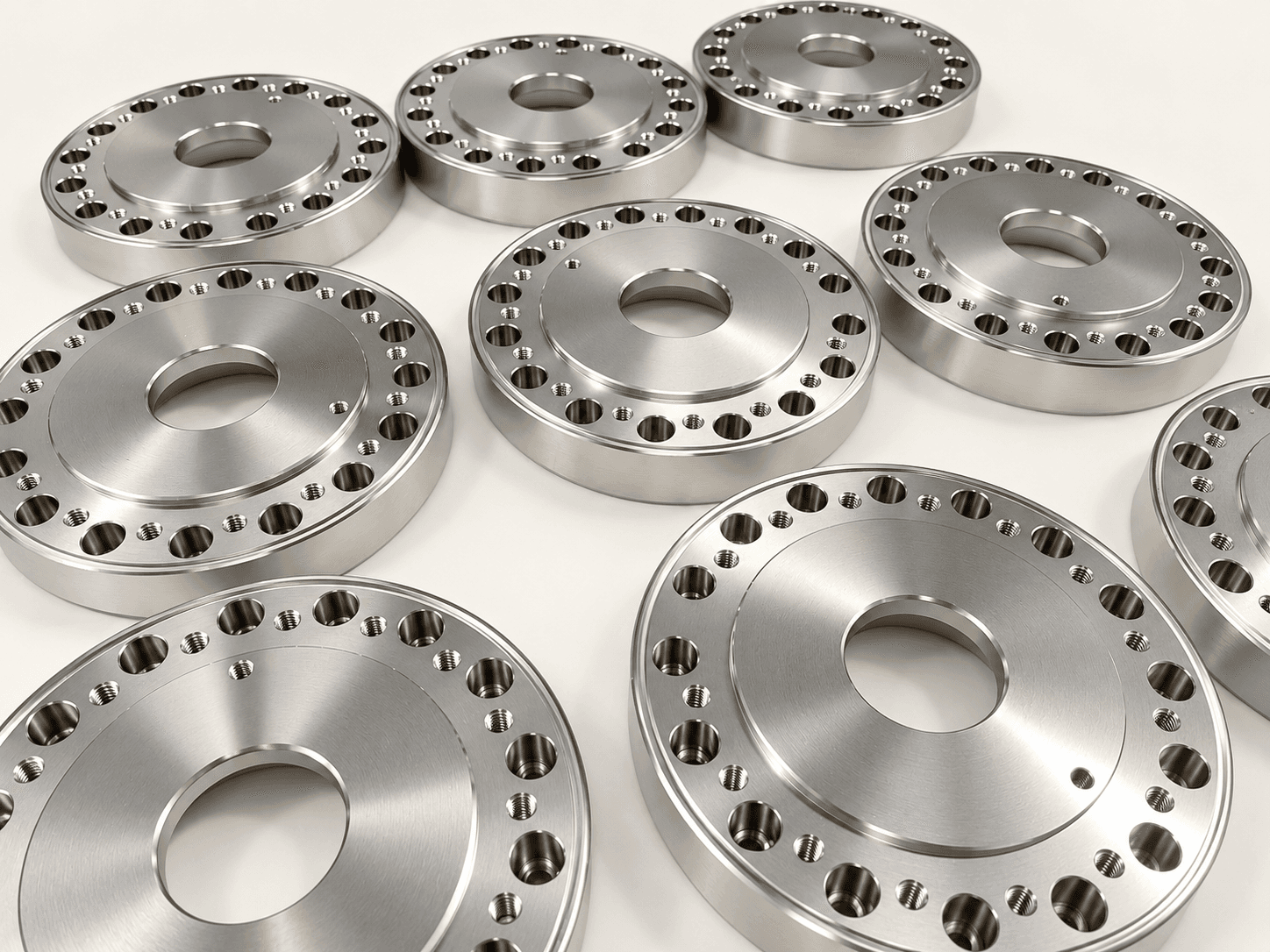
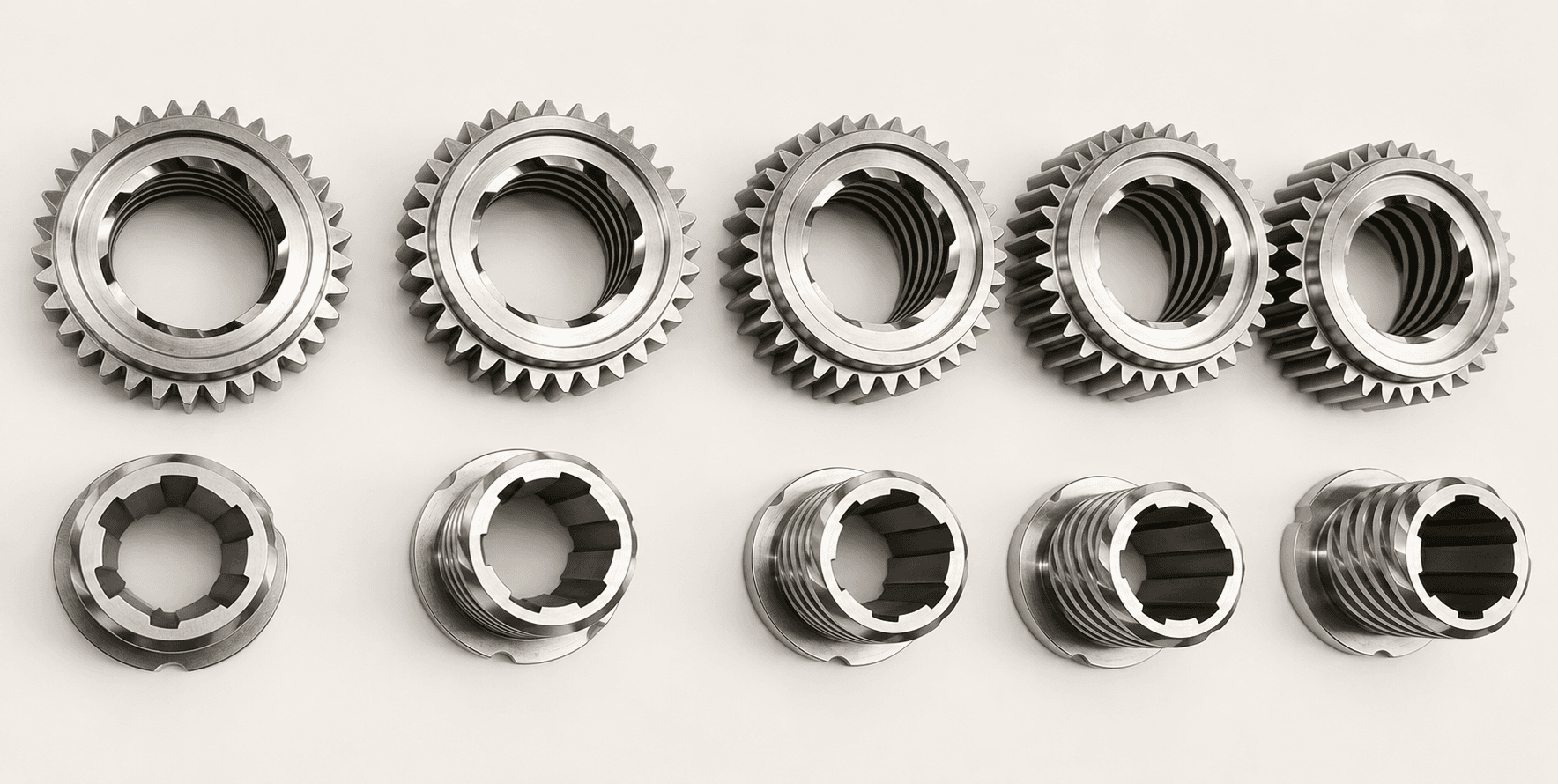
Representative components
Complex Machining Examples
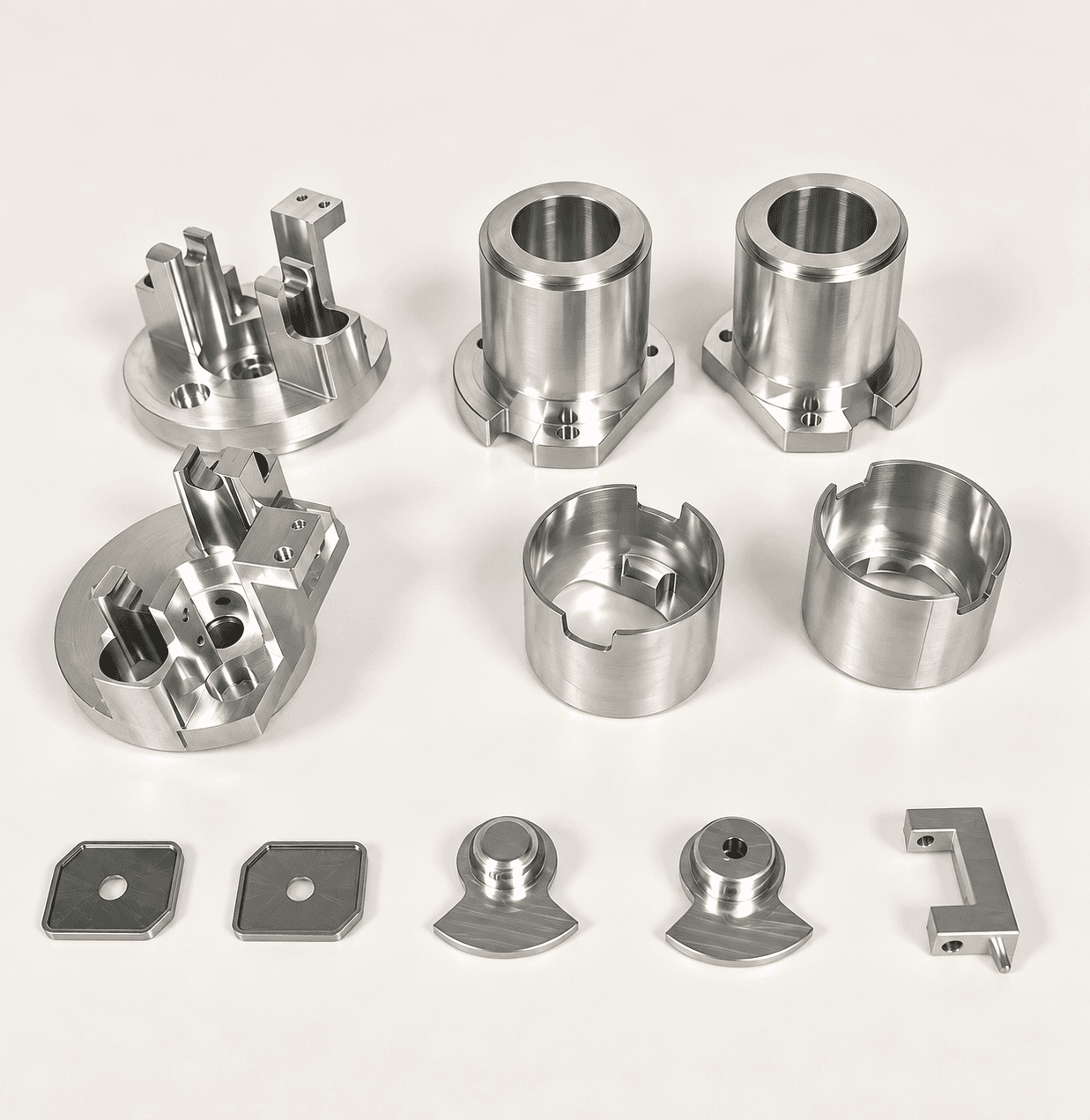
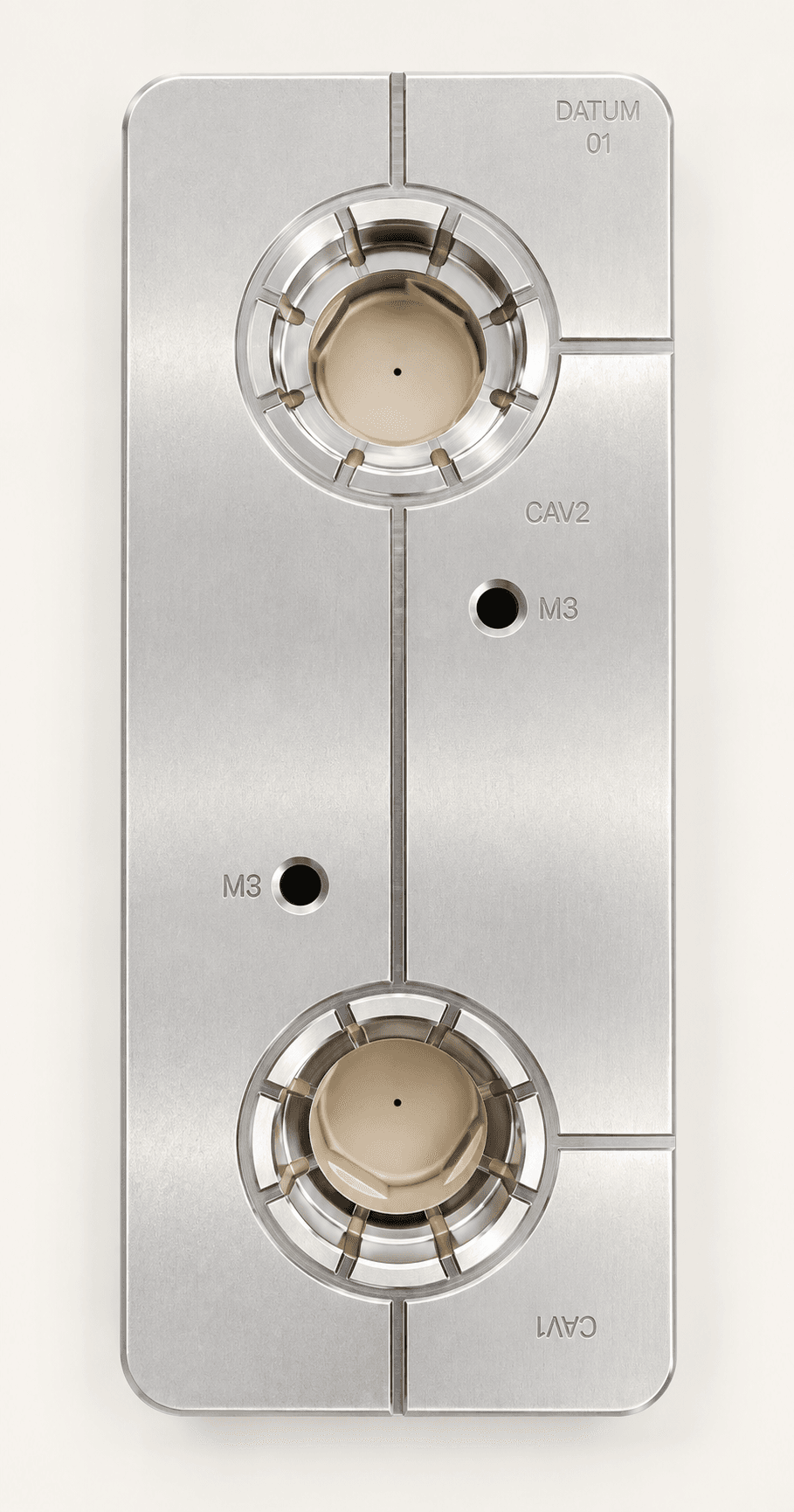
Representative part categories illustrating the types of geometry, features and manufacturing requirements that may benefit from advanced CNC machining strategies.
Manufacturing approach
When a 5-Axis Strategy May Be Appropriate
- 01
Complex Multi-Side Geometry
When important features are distributed across several orientations.
- 02
Angled or Difficult-to-Reach Features
When conventional tool access would require additional setups or special planning.
- 03
Feature Relationships
When multiple features need to be considered relative to shared datums or orientations.
- 04
Complex Prototype & Low-Volume Parts
When engineering teams need to validate complex geometry before repeat production.
The most suitable machining method depends on part geometry, tolerances, material, quantity and inspection requirements. Some parts can be manufactured more efficiently with conventional 3-axis or 4-axis machining.
Production flexibility
From Complex Prototype to Repeat Production
Start with the quantity required for design or functional validation, then move into repeat production as the part and manufacturing requirements become established.
- 01
Prototype
Support for design validation, fit checks and early manufacturing feedback.
- 02
Low Volume
Controlled production for initial requirements, testing and early project demand.
- 03
Repeat Production
Repeat manufacturing with established drawing, process and inspection requirements.
Project review
Have a Complex Part to Manufacture?
Send us your drawing, material, quantity and critical requirements. We can review the geometry and manufacturing requirements and provide feedback together with a quotation.
Explore CNC Machining